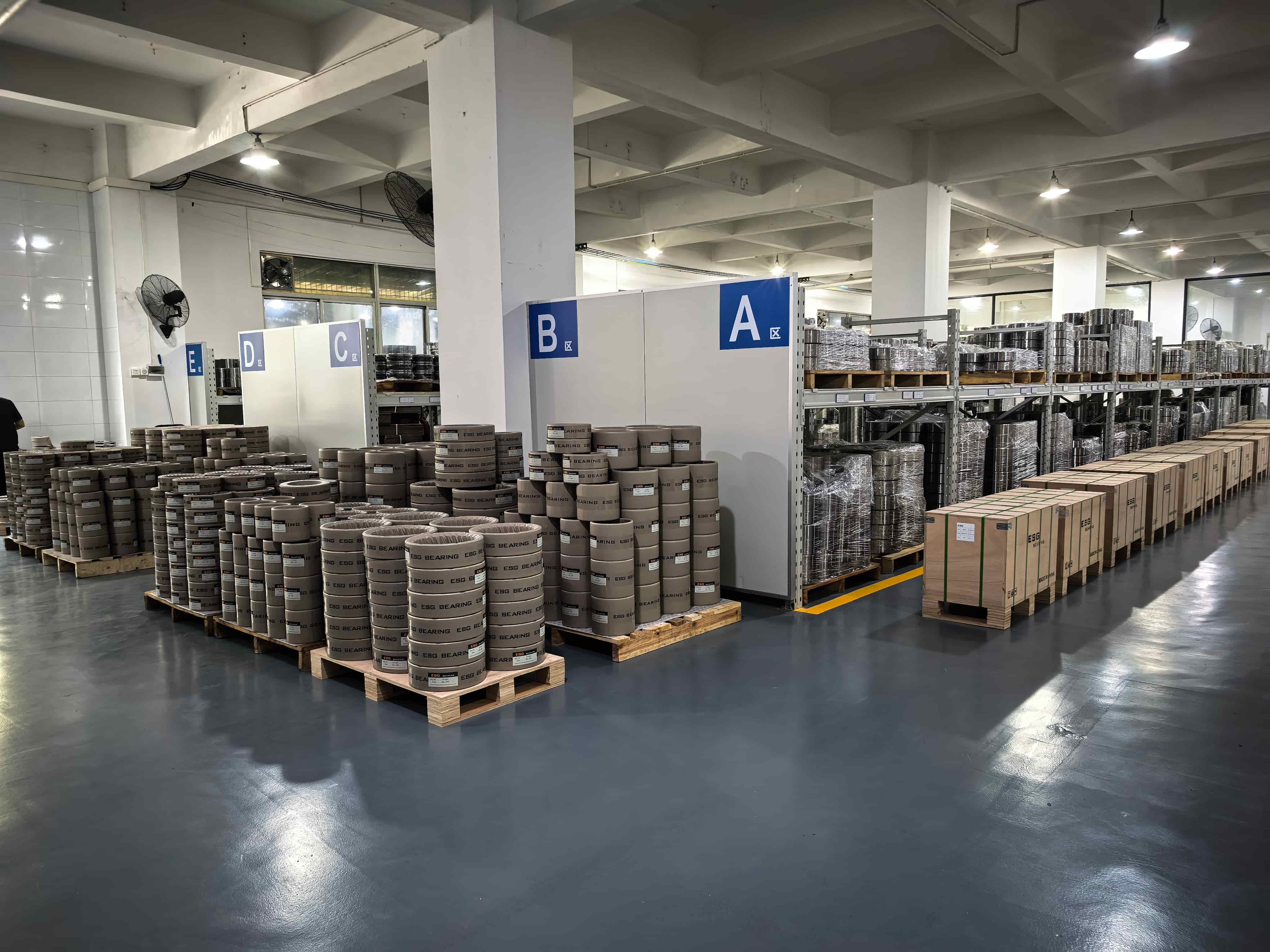
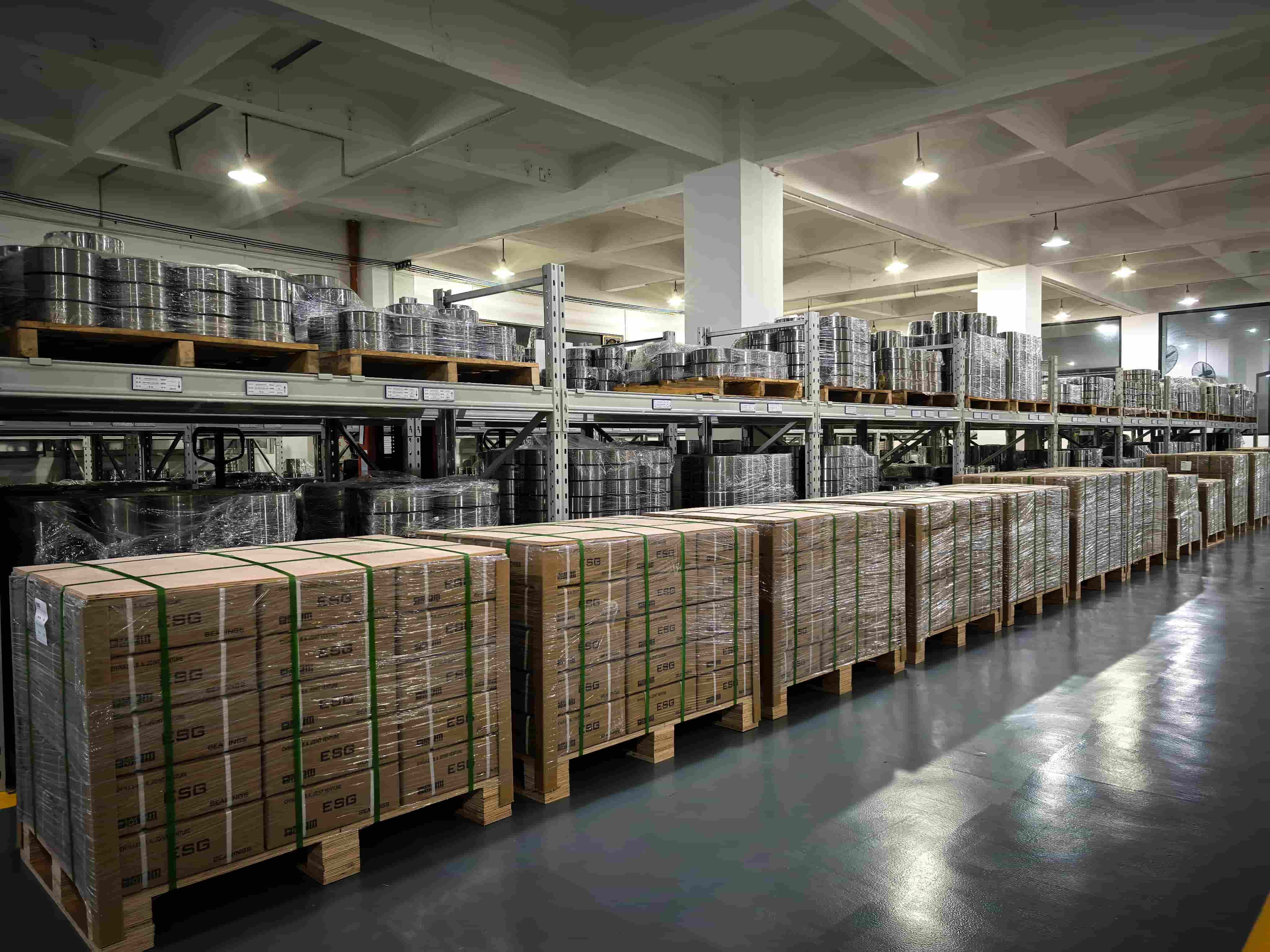
Недавно мы завершили отгрузку крупной партии заказов для наших зарубежных клиентов. Наше производственное предприятие поддерживает стабильный объем выпуска, и мы постоянно осуществляем поставки продукции партнерам в различных регионах.
В настоящее время глобальная международная логистическая ситуация остается сложной. Ставки на грузоперевозки продолжают колебаться, при этом на различных торговых маршрутах могут возникать заторы в портах, ограниченное наличие мест на судах и периодические задержки при таможенном оформлении. Фактические сроки перевозки могут отличаться от первоначально рассчитанных графиков, поскольку эти факторы в значительной степени находятся вне контроля производителей.
Чтобы помочь нашим клиентам лучше управлять закупками и планированием запасов, мы хотели бы поделиться несколькими практическими советами для международных покупателей:
1. Размещайте заказы заранее
При размещении заказов закладывайте достаточный запас времени, особенно перед сезонами пиковых перевозок, чтобы снизить влияние возможных логистических задержек.
2.Заранее проверяйте местные правила импорта
Пожалуйста, заранее проверьте местные требования к импорту, коды HS и таможенные формальности. Полная и точная документация помогает предотвратить задержание груза и непредвиденные дополнительные расходы.
3.Уточняйте торговые условия до подтверждения заказа
Четко подтвердите Incoterms перед окончательным оформлением заказов, чтобы согласовать между обеими сторонами ответственность за стоимость перевозки, страхование, таможенные пошлины и переход рисков.
4. Активно отслеживайте ход поставки
После отправки товара следите за обновлениями по логистике. Пожалуйста, немедленно свяжитесь с нашей командой продаж, если вы заметите какой-либо необычный статус вашей поставки.
Мы будем продолжать предоставлять своевременные обновления по отгрузке для каждого заказа всем клиентам. Если у вас возникнут вопросы по производству, доставке или логистике, наша команда готова оказать поддержку.
Мы ценим ваше постоянное доверие и сотрудничество.



 +86-13670502706
 overseas@esgbearing.com
 +86-13670502706